




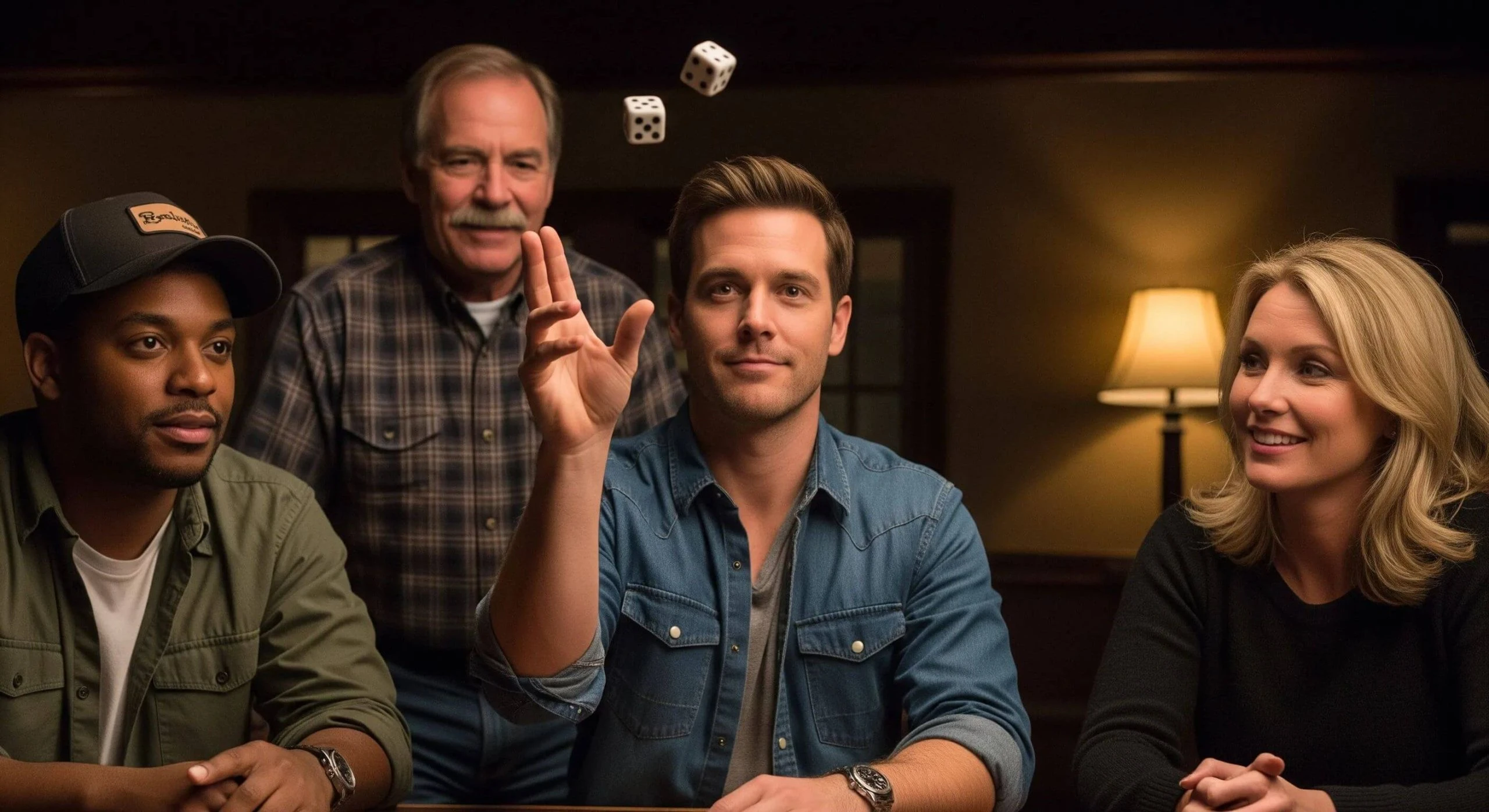
There’s no getting around it — the face of the average bingo hall attendee has changed, and it’s not just a matter of hair colour or walking frames anymore. If you’ve spent enough time walking the floors of these places, you start to notice the subtle shifts. We’ve gone from rows of pensioners quietly dabbing tickets with military precision to a mix of fresh faces, smartphones in hand, sipping gin tonics between calls. And it’s not a fluke. What we’re witnessing is a fundamental shift in the age demographics of gambling halls, shaped by a complex interplay of culture, technology, and legislation.
Younger players, different motives
In the past, bingo halls were seen as an escape for retirees — safe, sociable, and somewhat ritualistic. Tuesday nights meant a thermos flask, heated seating, and the same crowd in their favourite seats. But modern entrants aren’t driven by habit — they’re lured by entertainment. Young adults, especially those in their late 20s to early 40s, see bingo not as an old lady’s game but as part of the experience economy. The game is quick, the rules simple, and the stakes low enough for a chilled night out. Just look at how games like those at Kitty Bingo have evolved — themed rooms, mini-games, and jackpots that draw the phone-scrolling demographic like moths to a flame.
Of course, the structure of the game still appeals — there’s a rhythm, a suspense, a near-childlike thrill when you’re one number away. But what’s changed is the surrounding culture. Bingo nights are often now part of corporate socials, hen dos, or birthday bashes. And with digital play creeping in via mobile hall integration, the link between traditional and online environments is unofficially training a younger crowd before they even step foot into a physical hall.
When technology meets tradition
You can’t talk about changing demographics without mentioning the tech infusion in bingo halls. Console-style tablets, touchscreen ticket dabbers, and auto-daubers have helped replace the fear of missing a call with a more relaxed gaming experience — something that appeals heavily to digitally-native players. While purists snort at the idea of “auto” anything in bingo, these tools have lowered the barrier for entry. Inexperienced players feel less intimidated when they’re not worried about keeping up with a quick-spoken caller or complex ticket formats.
The irony? The same tools that simplify play for younger folk have alienated some of the older guard, many of whom take pride in their manual dabbing skills. I’ve lost count of the number of times I’ve seen a seasoned caller sigh under their breath about players “glued to screens” instead of shouting bingo with glee.
Still, engagement is rising overall, and halls that embrace hybrid experiences — things like occasional DJ nights or prize giveaways, much like what you’d find explored in Dove Bingo — are doing a better job of bringing generations together without losing their core.
The shifting regulatory landscape
One underappreciated factor in these demographic shifts is the gradual evolution of legislation around advertising and minimum age requirements. Not long ago, gambling ads were barely seen outside late-night telly. These days, bingo platforms are not only advertised more widely but also presented differently — as community-centric, safe, and even trendy. Changing perceptions via marketing has turned bingo into something that no longer carries a stigma, especially to those in their 30s and early 40s.
What’s more, remote access laws have made it easier for people to build familiarity with the game online. Sites such as Mirror Bingo have essentially become training grounds. They provide a casual, low-pressure way to learn the ins and outs without the imposed etiquette and tempo of a hall game. For those of us who remember when bingo was confined to physical spaces and smoky side-rooms, that’s a seismic shift.
Challenges and considerations for the future
So what does this all mean for the future of in-hall play? Well, first and foremost, halls need to stop treating their formats like sacred relics. Don’t get me wrong — there’s beauty in tradition, but adaptability is how you survive. I’ve seen operators fail simply because they couldn’t step away from the belief that “our crowd doesn’t want change.” Rubbish. The truth is, every crowd changes — what doesn’t change is their desire for excitement and inclusion.
We need to reconsider venue layouts, schedule structures, and even caller styles. I’ve trained enough staff over the years to know that tweaking these details — adding a dual-language caller board, forgetting circular seating in favour of comfortable lounge set-ups — makes a world of difference to younger patrons. It’s no coincidence that venues that invest in modernisation see steadier footfall. Places like Daily Record Bingo know this, and baked it into their model from day one.
A balanced game earns lasting respect
In truth, the diversifying age demographics are a gift, not a threat. They give us the chance to preserve a rich cultural pastime while broadening its appeal. But only if done correctly. Trying to simply slap on cocktails and neon lighting without understanding the DNA of bingo will backfire faster than you can shout house.
In this game, insight wins everything. Show respect to the veterans, roll out the welcome mat for the newcomers, and above all — keep the numbers fair, the calls crisp, and the seats warmed. Everything else follows.

OnlineBingoCity Team
Bingo Experts


We're fans of bingo - so much that we decided to write about it! Rating bingo sites on their game selection, safety, and how high-quality it is, we want you to get the best experience.
More on the author Updated on 22 Sep, 2025